Mexico was my dream destination. I had always admired its people, fascinated by their history and the astonishing achievements of the Aztecs and Mayas. But during this journey, I also uncovered an unsettling truth about corporate power and the way it effects the everyday lives of the most vulnerable communities.
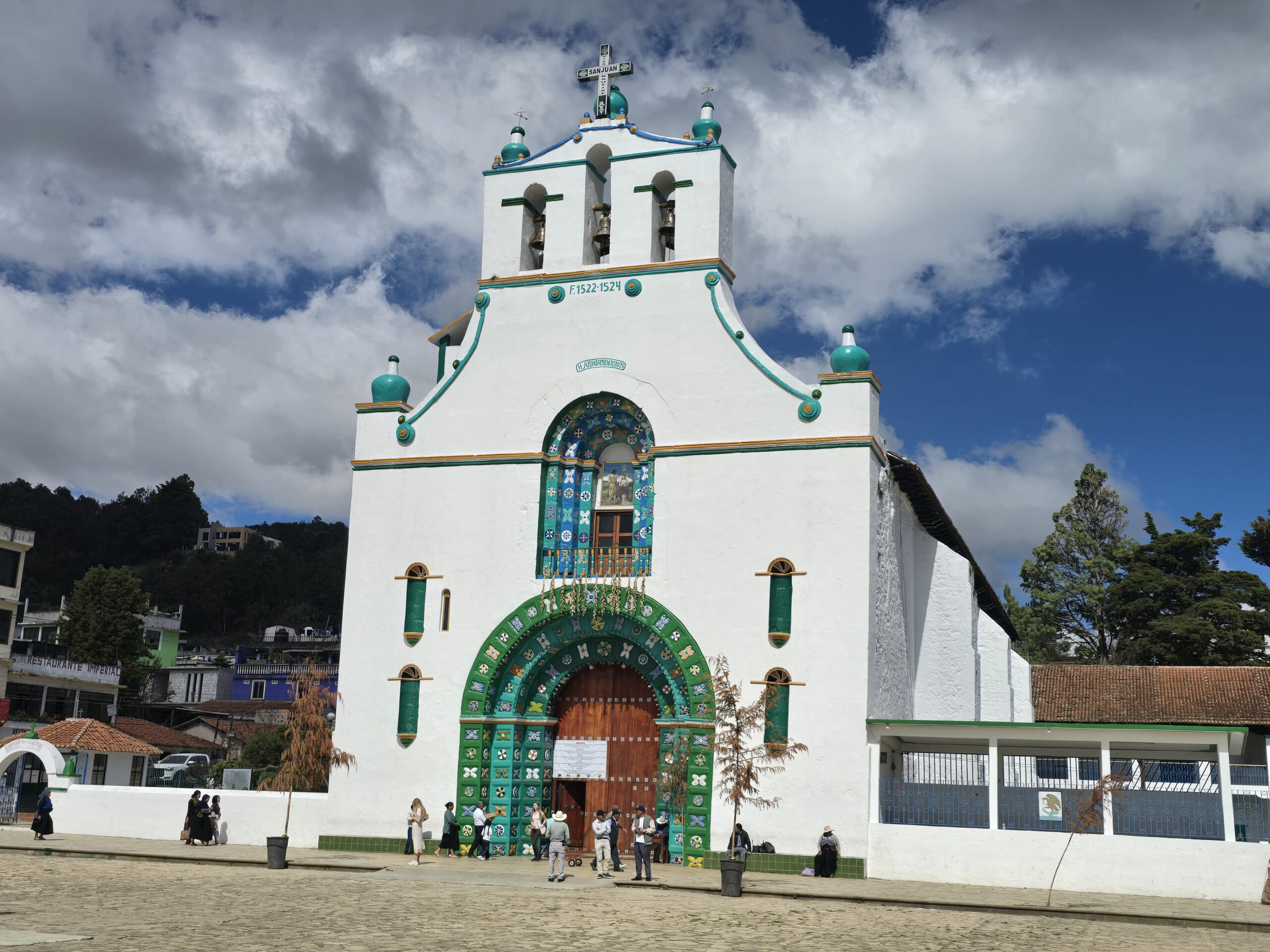
We arrived in San Juan Chamula, a small town in the Chiapas region, on November 20th – the very day Mexico celebrates the Anniversary of the Revolution. The central purpose of our visit was the church of Saint John, where syncretic rituals blending Christianity with pre-Hispanic traditions take place. No phones allowed inside, no photos, no recordings. What I witnessed there forever changed the way I look at Mexico – a country full of colour, yet marked underneath by sugar, which has become both a symbol of faith and a curse for its people.
We step into the church of St. John in Chamula. In the dim light, on a floor strewn with straw, hundreds of small candles flicker in loose clusters. Their glow dances across the faces of gathered families. Women in traditional skirts made of buffalo hair, men in cowboy-like hats — each immersed in prayer, in a trance, in what seems like an intimate dialogue with an invisible world.
Suddenly, I see a scene that paralyzes me. A woman holding a chicken in a box twists its neck in one swift motion. She lifts the lifeless body above the candles as an offering. Nearby — sacred figures, images of Christ and various saints. Two worlds woven into one: Christianity and pre-Columbian magic, community and sacrifice. And yet, this was not the most shocking image of the day.
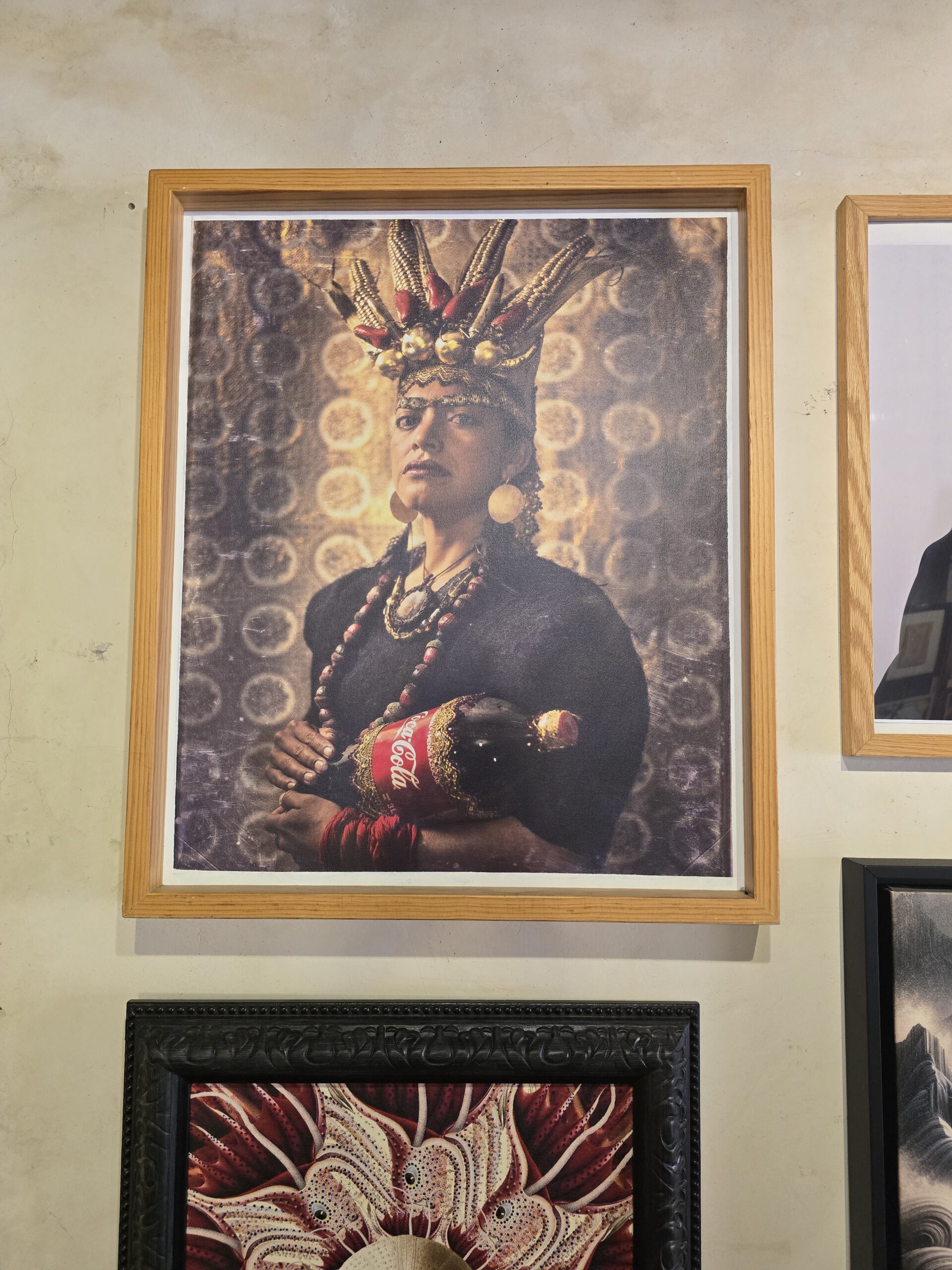
Just a few meters away, right in front of the altar, I notice another family. A woman holds a baby in her arms and slowly raises a glass bottle. For a split second I think it’s water. It’s not water. It’s Coca-Cola. The dark liquid flows into the mouth of a child who cannot speak yet but is already learning the taste of sugar. A taste that in Chiapas has become not only an everyday drink, but a religious symbol.
I leave the church with a burning question: What is going on? Why is Coca-Cola treated almost like a drink of the gods?

Sugar as a new drug
I begin to dig deeper. In San Juan Chamula, and throughout Los Altos de Chiapas, Coca-Cola is everywhere. Red store walls, logos painted on pharmacies, schools, tiny shops — red that speaks louder than any billboard.
It all began in the 1970s. Back then, the ritual drink was pox, a local alcohol. But it brought enormous social problems: domestic violence, unemployment, aggression. The authorities searched for an alternative. Coca-Cola and Pepsi offered a solution — in exchange for trade agreements, money, contracts, and… red paint for schools and stores. Logos in exchange for loyalty.
The result?
Mexico is now the world’s largest consumer of Coca-Cola.
Global average: 100 glasses per person per year.
USA: 400 glasses.
Mexico: 600 glasses.
And in Los Altos de Chiapas — 3,285 glasses annually.
That’s about 2.5 liters of Coca-Cola a day per person.
This is not a mistake. It’s a common sight.
The consequences?
Diseases, amputations, fear. Here I quote, from Ola Synowiec’s book Children of the Sixth Sun. What Mexico Believes In, statistics that are hard to comprehend:
“Dr. Neftali Rodriguez warns: In Mexico, a limb is amputated due to diabetes complications every 7 minutes. In 2013 alone, 75,000 amputations were performed. Residents of Los Altos are afraid to go to the hospital — rumors spread that doctors ‘cut off legs without asking.’ Fear and ignorance compound poverty and lack of access to water, which corporations have taken over for years.”
Water: A luxury good
A can of Coke in Chiapas is often cheaper than water. That’s because two of the largest Coca-Cola factories were built here — one of them on the slopes of Mount Huitepec, right by a nature reserve. It uses around one million liters of water a day. Water that should be serving local communities.
The decision to privatize water resources was made by President Vicente Fox — formerly a long-time Coca-Cola executive. He granted corporations priority access to water, disregarding the needs of the people.

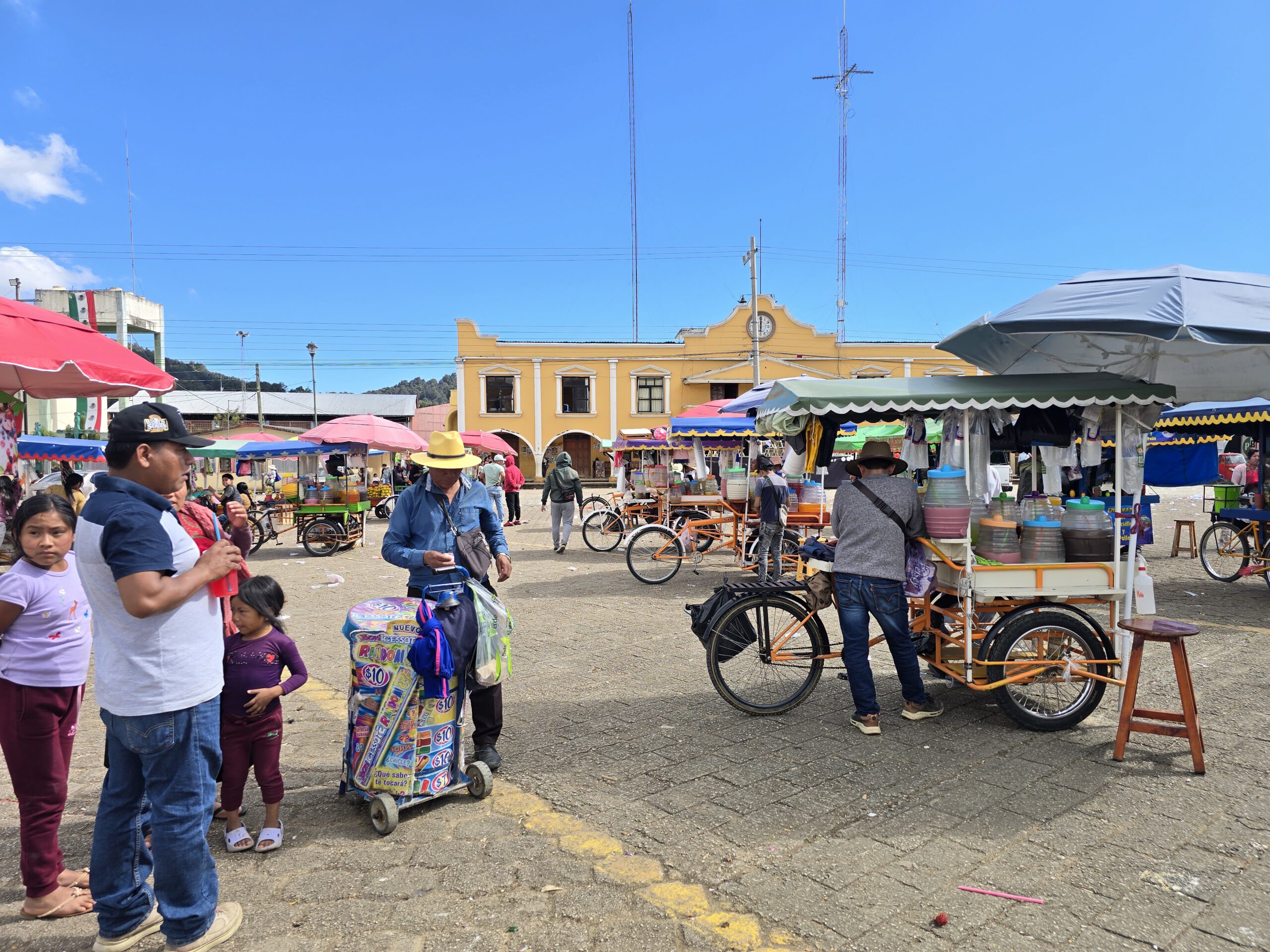
During my journey through Mexico, I admired the colorful dresses of women, vibrant altars, and store facades painted in bright red. On the surface — beautiful, folkloric, almost postcard-like. But now I know that beneath those colors lie other shades: exploitation, poverty, addiction, lack of water, disease.
Mexico left two emotions in my heart at once: admiration for the warmth and resilience of its people, and sorrow — stemming from how systems, governments, and corporate interests exploit the most vulnerable.
Why am I writing this?
To raise awareness.
To break the illusion of the exotic postcard.
To help us see more — not only the colors, but the consequences.
Because what I saw in the church in Chamula was a symbol of something larger.
It is not only Mexico that struggles with the consequences of sugar’s dominance.
This is a global story about how corporations shape human life, health, and… faith.